16 September
Uncategorized
How to Maximize Small Spaces with Smart Interior Design
- ashuwebtechgraphics@gmail.com
- 0 Comments
Maximizing small spaces is both an art and a science. Whether you live in a compact apartment, work in a small office, or want to make the most of a tiny home, smart interior design can transform even the smallest area into a functional, stylish, and inviting space. By combining clever planning, innovative furniture, and smart storage solutions, you can create interiors that feel spacious, organized, and comfortable. Here’s a comprehensive guide to maximizing small spaces with intelligent design.
Understanding the Challenges of Small Spaces
Small spaces come with unique challenges: limited square footage, fewer storage options, and a higher risk of clutter. Without proper planning, even a beautifully designed room can feel cramped or chaotic. Understanding the constraints is the first step toward designing a space that feels larger, brighter, and more efficient.
Prioritize Functionality
In small spaces, every element should serve a purpose. Furniture should be functional, versatile, and appropriately scaled. Opt for multi-functional pieces like sofa beds, foldable desks, and extendable dining tables. Prioritizing functionality ensures that the space works for daily living without feeling overcrowded.
Clever Storage Solutions
Storage is crucial in compact interiors. Utilize vertical space with wall-mounted shelves, tall cabinets, and hooks. Under-bed storage drawers, built-in closets, and furniture with hidden compartments can help keep clutter at bay. The goal is to create an organized environment while maintaining aesthetic appeal.
Use Light and Mirrors
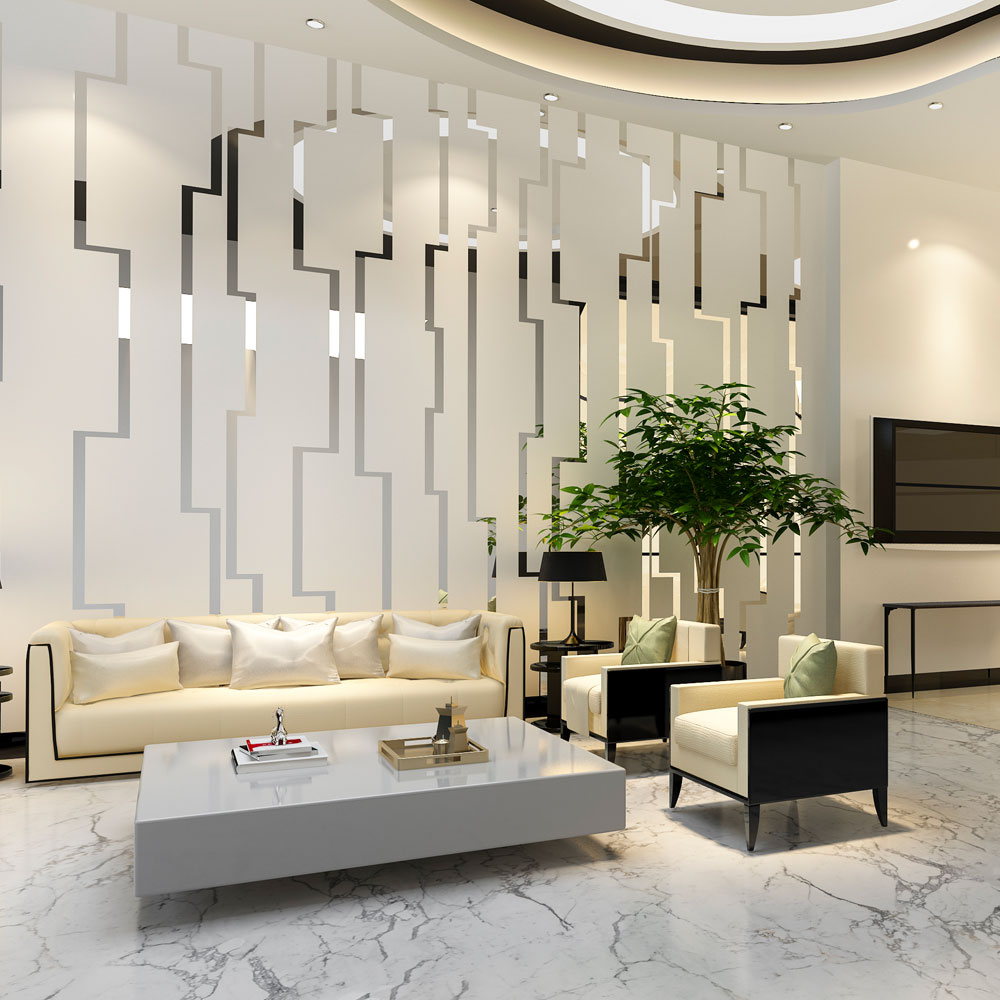
Lighting can dramatically change how a small space feels. Natural light should be maximized with sheer curtains or blinds, while layered artificial lighting adds depth. Mirrors are another powerful tool—they reflect light and give the illusion of a larger area. Consider mirrored walls, decorative mirrors, or mirrored furniture accents.
Choose the Right Colors and Materials
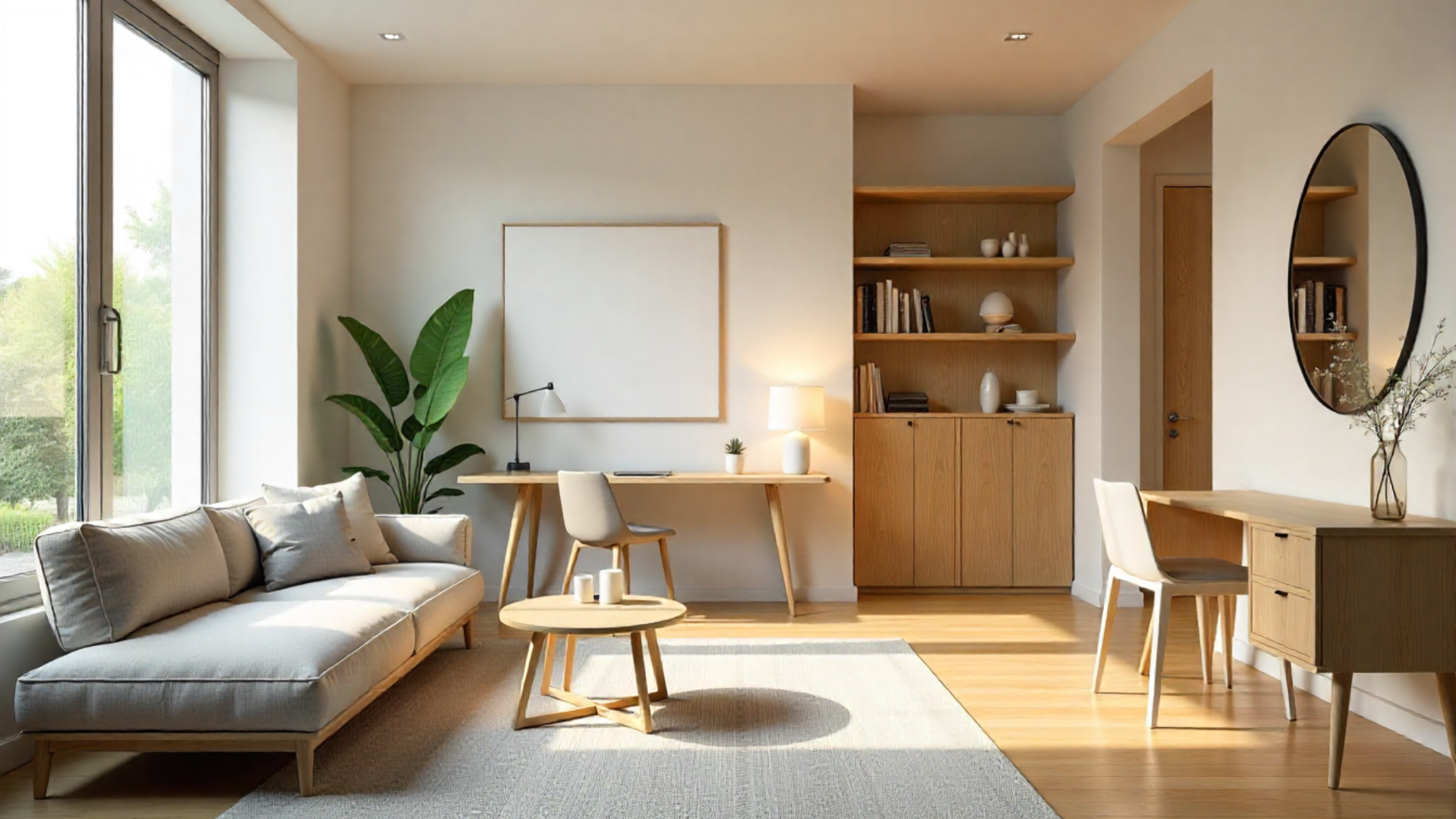
Color and material choices significantly impact perceived space. Lighter colors like soft neutrals, pastels, and whites can make rooms appear bigger. Glossy or reflective surfaces, glass, and acrylic furniture can also enhance the feeling of openness. Avoid overly dark tones that make spaces feel closed-in.
Furniture Placement Strategies
Where you place your furniture can make or break a small space. Keep pathways clear and avoid blocking natural light sources. Floating furniture away from walls can sometimes create a sense of depth. Open-plan layouts work well for small apartments, allowing rooms to flow seamlessly into one another.
Embrace Minimalism
Less is more in compact spaces. Minimalist design reduces visual clutter and emphasizes clean lines, creating a sense of calm and openness. Focus on essential items and decor that serve a purpose, and avoid overcrowding surfaces with unnecessary objects.
Maximize Vertical and Corner Spaces
Corners are often underutilized. Use corner shelves, tall bookcases, or built-in seating to make the most of every inch. Vertical gardening or hanging storage units in kitchens and bathrooms can also free up floor space while adding style.
Smart Room Dividers
In small open-plan homes or offices, room dividers can create zones without making the space feel smaller. Opt for sliding partitions, glass dividers, or open shelving units that allow light to pass through while providing separation.
Incorporate Multi-Functional Decor
Even decorative elements can serve a dual purpose. Ottomans with storage, benches that double as seating and storage, and wall-mounted foldable desks are great ways to combine beauty and functionality.
Conclusion
Maximizing small spaces requires thoughtful planning, smart furniture choices, and strategic use of light, color, and storage. By embracing functionality, minimalism, and clever design solutions, even compact apartments, offices, or tiny homes can feel spacious, comfortable, and stylish. AEVAUX specializes in transforming small spaces into beautiful, practical environments, proving that limited space does not mean limited potential.
Related Posts
- ashuwebtechgraphics@gmail.com
- September 16, 2025
Top 10 Interior Design Trends for 2025
The world of interior design is ever-evolving, blending creativity, functionality, and innovati ..